

Lab-Grown vs. Natural: Your Guide to Investing in the Perfect Center Stone
The debate is everywhere: lab-grown or natural? Jewelers have opinions. Influencers have opinions. Your friends have opinions. Almost none of them are giving you the full picture — because the full picture depends entirely on what you are buying the stone for.
At Databazaar, we carry both. So this is not a sales pitch for one over the other. This is the honest guide to making the right choice for your specific situation — whether you are buying a center stone for an engagement ring, an astrological remedy, a family heirloom, or simply because you love gemstones.
What Lab-Grown Actually Means
A lab-grown gemstone is not a fake. It is not glass. It is not a simulant. A lab-grown ruby has the exact same chemical composition as a natural ruby — corundum, aluminum oxide, with chromium giving it the red color. A lab-grown diamond has the same carbon crystal structure as a diamond pulled from the earth.
The difference is origin and time. Natural gemstones form over millions of years under extreme geological pressure. Lab-grown stones are created in weeks or months in a controlled environment that replicates those conditions. The result is chemically and physically identical — but not identical in rarity, provenance, or price trajectory.
Both are real certified gemstones. The question is which one is right for what you need.
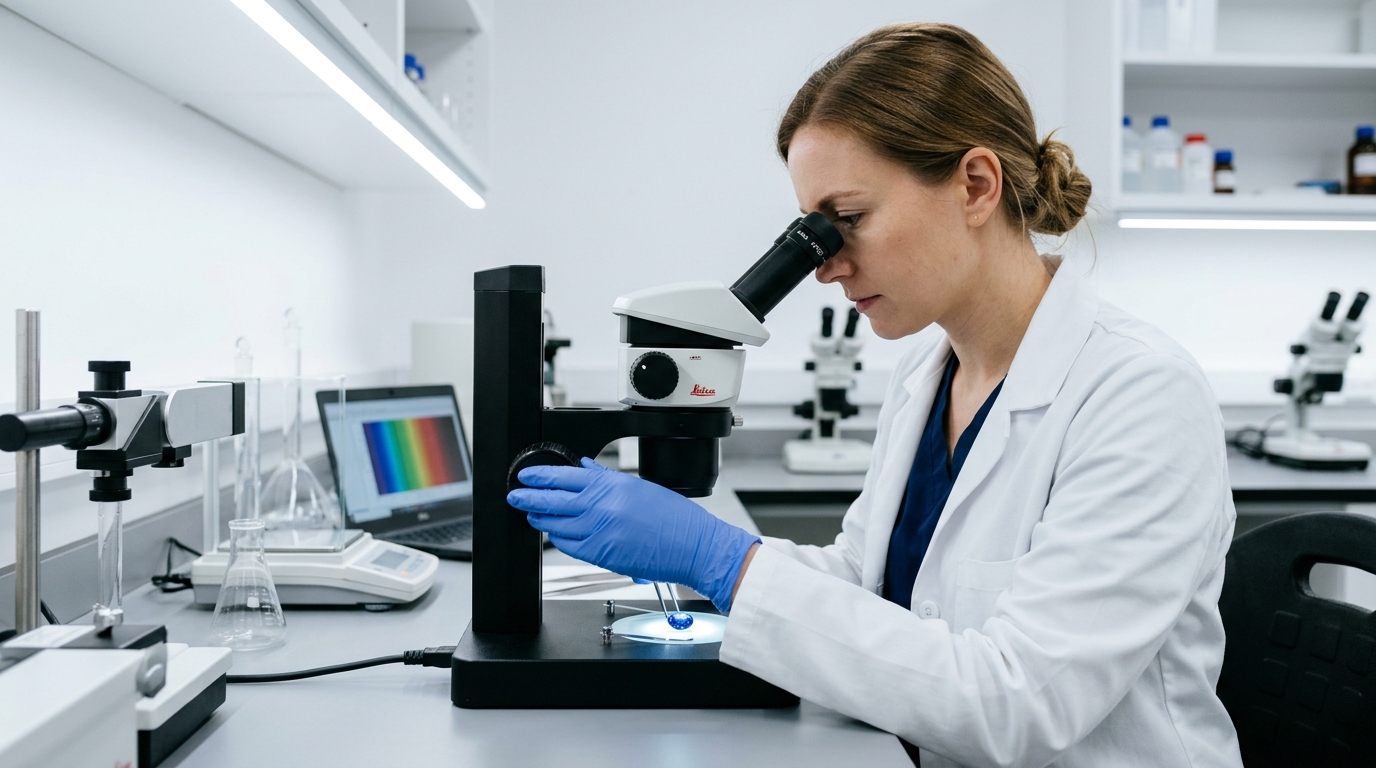
Where Natural Wins: Rarity, Value, and Astrology
Natural gemstones are rare. A fine natural ruby over 3 carats with no heat treatment is genuinely scarce — there is a finite supply in the earth, and it is not being replenished. That scarcity drives long-term value in ways that lab-grown production cannot replicate.
For buyers who care about value retention — especially those buying a significant stone as an heirloom or investment — certified natural gemstones have a stronger track record. High-quality natural rubies, sapphires, and emeralds have appreciated consistently over decades. Lab-grown diamonds, by contrast, have seen sharp price declines as production capacity has expanded.
For astrological use, natural is not a preference — it is a requirement. Vedic and Jyotish astrology are unambiguous: the gemstone prescribed as a planetary remedy must be 100% natural and untreated. A natural Ruby for the Sun, a natural Blue Sapphire for Saturn, a natural Emerald for Mercury — these must be earth-formed stones certified as natural. A lab-grown stone, however chemically identical, does not qualify for Jyotish purposes.
Every stone at Databazaar comes with a certificate of authenticity confirming it is 100% natural — exactly what an astrologer's prescription requires.
Where Lab-Grown Wins: Budget and Everyday Jewelry
For buyers who want the look and physical properties of a premium gemstone at a significantly lower price point — and are not concerned with astrological use or long-term value retention — lab-grown is a rational choice.
A lab-grown diamond of the same cut, color, and clarity as a natural diamond typically costs 60 to 80 percent less. For everyday jewelry — a pendant, a fashion ring, a gift — that price difference is meaningful. You can buy a visually superior stone within your budget without compromising on the physical characteristics you can see.
The key is knowing what you are buying and why. Buying lab-grown as if it holds the same long-term value as natural is a mistake. Buying lab-grown because you want a beautiful stone for everyday wear at a fair price is a perfectly sound decision.
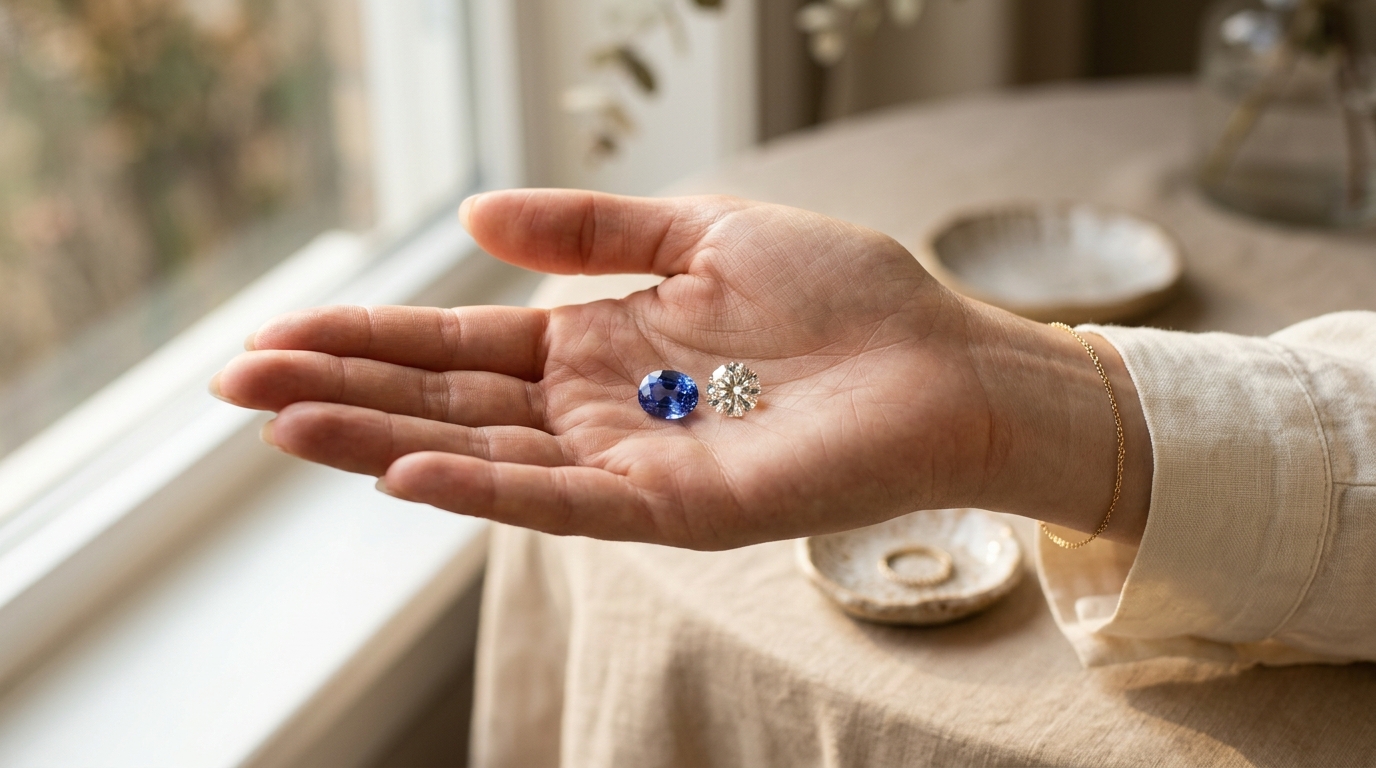
The Freedom of Loose: Choose Your Stone, Then Your Setting
Whether you choose natural or lab-grown, buying a certified loose gemstone gives you something pre-set jewelry never can: total freedom of choice.
When you buy a loose stone from Databazaar, you are buying the stone on its own merits — carat weight, color, clarity, cut — not as part of a package where the setting, the brand, and the marketing are all rolled into one price. You then take that stone to any jeweler in the USA or send it to your preferred jeweler anywhere in the world and have it set exactly as you want: the metal, the style, the finger, the occasion.
This is the approach that gives you the most stone for your budget and the most control over the result — regardless of whether you choose natural or lab-grown.
How to Choose: A Simple Framework
Ask yourself four questions before you buy:
Is this for astrological use? If yes — natural, certified, untreated. No exceptions.
Is this a long-term investment or heirloom? If yes — natural holds value; lab-grown does not.
Is this for everyday jewelry where budget matters most? Lab-grown gives you more stone for the money.
Does origin matter to you personally? Some buyers feel strongly about the geological story of a natural stone. Others prefer the lower environmental footprint argument for lab-grown. Both are valid.
Not sure where you land? Use the free gemstone recommendation tool — answer a few questions and get a matched recommendation for your specific situation.
Frequently Asked Questions
What is the difference between a lab-grown and a natural gemstone?
A natural gemstone is formed over millions of years by geological processes in the earth. A lab-grown gemstone has the same chemical composition and crystal structure but is created in a controlled laboratory environment. Both are real gemstones — the difference is origin, rarity, and price trajectory.
Are lab-grown gemstones real?
Yes. Lab-grown gemstones are chemically and physically identical to their natural counterparts. A lab-grown ruby has the same corundum composition as a natural ruby. They are real gemstones, not simulants or fakes.
Do lab-grown gemstones hold their value?
Generally, no. Lab-grown gemstones have seen significant price drops as production scales up. Natural gemstones — especially high-quality rubies, sapphires, and emeralds — have historically held or appreciated in value due to rarity. If long-term value retention matters, natural is the stronger choice.
Can I use a lab-grown gemstone for astrological purposes?
No. Vedic and Jyotish astrology require 100% natural, untreated gemstones for planetary remedies. Lab-grown stones are not considered suitable for astrological use regardless of their chemical identity. For astrological gemstones, Databazaar sells only certified natural stones.
What is a certified natural gemstone?
A certified natural gemstone has been independently tested and verified by a recognized gemological laboratory confirming it is formed naturally in the earth, not synthetically created, and not subjected to treatments that alter its composition. Databazaar includes a certificate of authenticity with every purchase.
Where can I buy certified natural gemstones in the USA?
Databazaar is a US-based source for certified natural loose gemstones. Over 7,000 stones in stock — shipped domestically within the USA in 5 to 10 business days with a certificate of authenticity included.
What should I consider when choosing between lab-grown and natural?
Consider four things: budget (lab-grown costs less upfront), purpose (natural is required for astrology and heirlooms), value trajectory (natural holds value better), and personal values (rarity vs environmental preference). Databazaar carries both and can help you find the right certified stone for either path.
Is there a quality difference between lab-grown and natural gemstones?
Lab-grown stones often have fewer inclusions and more consistent color due to controlled production. Natural stones carry organic characteristics that make each one unique. For astrological use, only natural qualifies. For general jewelry, both can be excellent depending on your priorities.