 Skip to content


Why Tuscany Leather is a Must for Luxury Shoppers
When you hear the words Tuscany Leather, it’s not just a product that comes to mind—it’s a legacy. This isn't just about fashion; it's about a tradition of craftsmanship that has been perfected over centuries in the heart of Italy. It’s a symbol of quality and timeless style, passed down from one generation of artisans to the next.
The Heart of Italian Leather Craftsmanship
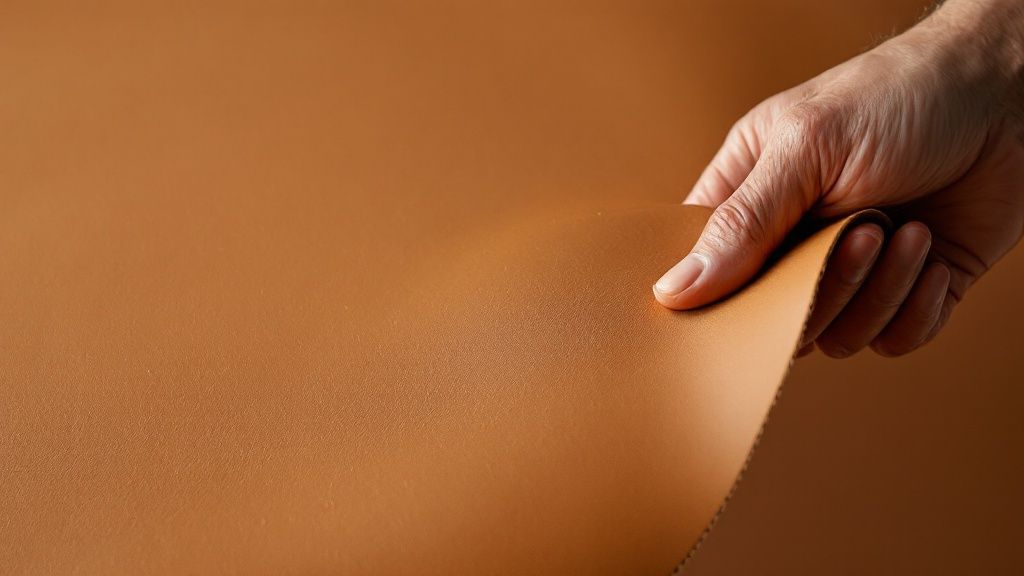
Tuscany, particularly the city of Florence, is the undisputed heartland of the world’s finest leather. This isn't some new trend; it’s a reputation built on a tradition that stretches all the way back to the ancient Etruscans. The region had a natural advantage thanks to the Arno River, which supplied the crucial water needed for the age-old tanning process.
This geographical leg up allowed Florence to become a bustling center for leather guilds during the Renaissance. These weren’t just craftsmen making goods—they were masters perfecting techniques that are still held in high regard today. To own a piece of Tuscan leather is to hold a small piece of that incredible history in your hands.
A Legacy of Quality and Economic Strength
The economic story behind Tuscan leather is just as compelling as its history. The industry isn’t just a cultural treasure; it's a powerhouse for the Italian economy that has shown impressive strength and growth.
In 2019 alone, the sector saw its exports jump from 6 billion to 8 billion euros. That’s a massive leap, and it speaks volumes about the global demand for authentic Italian quality. This fusion of rich heritage and economic muscle is what makes Tuscan leather truly one-of-a-kind.
At its core, Tuscan leather represents more than just a material. It embodies a philosophy of quality over quantity, slow fashion over fleeting trends, and artistry over mass production.
This is exactly why the "Made in Tuscany" label carries so much weight. It’s not just a tag—it's a promise that you're investing in something made with passion, precision, and the best materials you can find. To get a better sense of what elevates a material to this level, it's worth exploring what truly defines luxurious leather. Each bag, belt, or wallet tells a story of tradition, making it a timeless piece for any collection.
The Art of Traditional Vegetable Tanning
So, what’s the secret behind Tuscan leather’s incredible strength, that unmistakable earthy aroma, and its soulful character? The magic isn't in some high-tech factory; it’s rooted in a centuries-old process that moves at the speed of nature. This method is called vegetable tanning, and it’s the absolute cornerstone of genuine Tuscany leather craftsmanship.
Think of it like aging a fine wine or a good whiskey. Just as spirits slowly pull flavor from oak barrels, raw hides are patiently transformed using nothing but organic materials. This isn’t a quick chemical dip; it’s a slow, meticulous art form that relies on the natural power of tannins.
These tannins come from 100% plant-based sources, like the wood of chestnut or quebracho trees. This eco-friendly approach is what really separates Tuscan leather from its mass-produced, chemically-tanned counterparts. Choosing natural ingredients is a deep commitment to both world-class quality and sustainability.
The Journey from Raw Hide to Family Heirloom
The entire transformation is methodical, demanding serious skill and even more patience from the artisans. It’s a craft that honors tradition over speed, ensuring every single hide develops the deep, resilient structure needed to last for generations. Each step is carefully managed to build the material’s famous durability and beauty.
The process bridges the gap between a raw material and a refined, luxury product. Here's a look at how it's done:
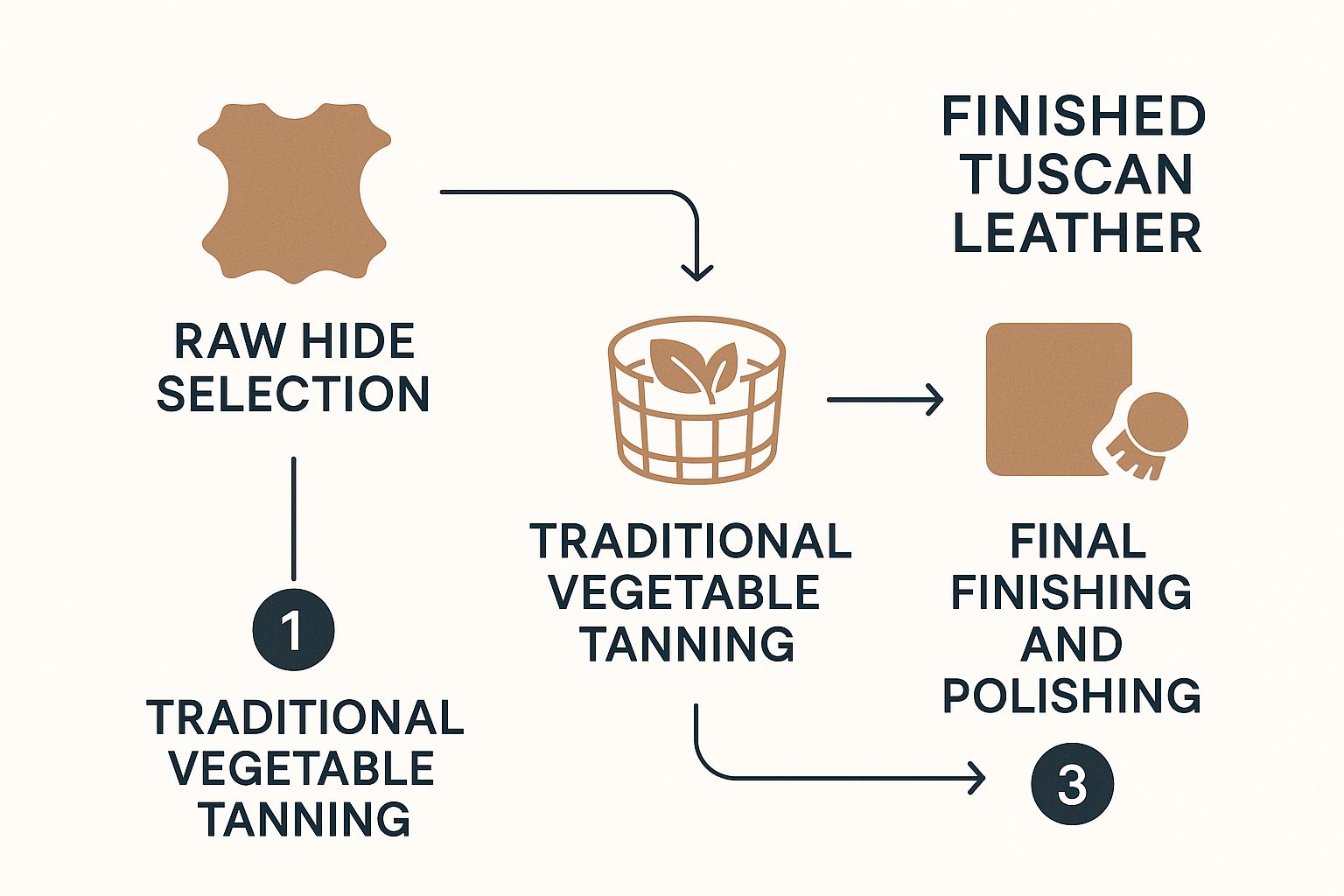
Let's break down that journey.
-
Step 1: Selection and Preparation: It all starts with choosing only the highest quality raw hides. These are then meticulously cleaned and prepared, making sure they’re ready to absorb the natural tannins evenly and without imperfections.
-
Step 2: The Tanning Baths: Next, the hides are submerged in large wooden vats filled with a precise blend of water and powdered tannins. Over several weeks, they are carefully moved through a series of baths, each with a slightly stronger concentration of tannins.
-
Step 3: Slow and Steady Absorption: This slow immersion is crucial. It allows the tannins to gradually penetrate deep into the hide's fibers, strengthening and preserving them from the inside out. This patient method is what gives the leather its firm-yet-supple feel and that distinctive, earthy scent.
-
Step 4: The Finishing Touches: Once tanned, the leather is naturally dried, softened, and polished by hand. Artisans might then dye the leather using traditional techniques, creating the rich, warm tones that Tuscan leather is so famous for.
Why This Old-School Method Still Matters
Sticking with vegetable tanning isn’t just about honoring tradition—it’s about the incredible quality of the final product. This method is the very reason why genuine Tuscan leather develops a beautiful patina over time. That’s the unique sheen and gradual darkening that tells the story of its life and use.
This natural aging process is simply impossible to replicate with modern, chemical-heavy methods. It ensures that every product, whether it’s a handbag or a wallet, becomes a one-of-a-kind piece that only gets more beautiful with age.
Ultimately, the art of vegetable tanning is what infuses every piece of Tuscany leather with a soul. It’s a testament to the artisan’s belief that the best things in life require time, care, and a profound respect for natural materials.
How to Identify Authentic Tuscan Leather
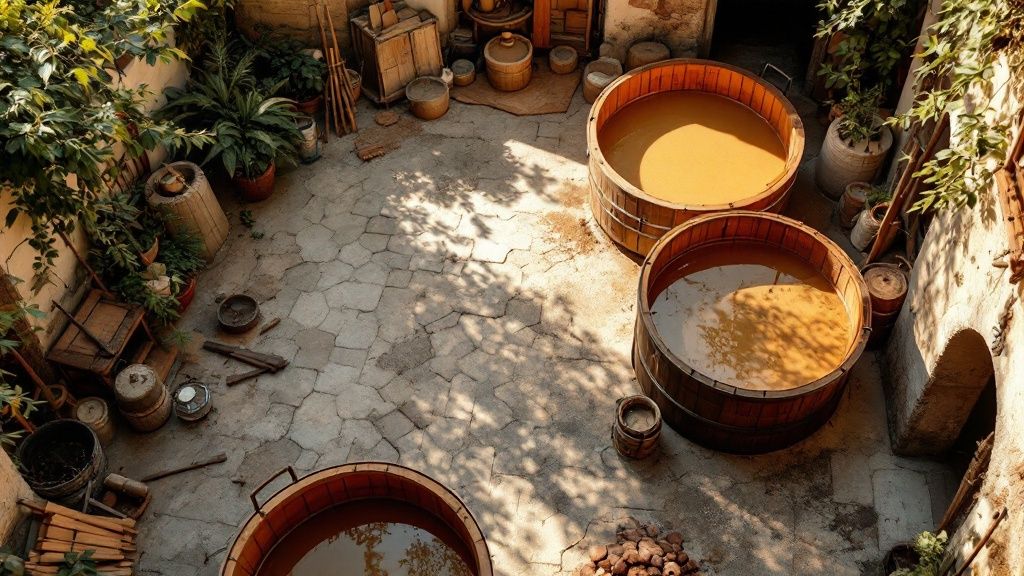
In a market flooded with fakes and lookalikes, telling genuine leather tuscany from a clever imitation can feel daunting. But here's the secret: authentic vegetable-tanned leather leaves a trail of clues for your senses to follow. Learning to spot them is the key to investing in a piece that will last a lifetime, not just a season.
Think of it as becoming a detective. Your best tools are your eyes, your nose, and your hands. Genuine Tuscan leather is a natural product, and it engages your senses in ways that synthetic materials and cheap leathers just can't.
Trust Your Senses
The very first giveaway is the smell. Authentic vegetable-tanned leather has a rich, earthy, and almost sweet aroma, with hints of wood or nuts from the natural tannins. It’s a scent that’s impossible to fake. In contrast, chrome-tanned or imitation leathers often give off a harsh chemical odor or have no smell at all.
Next, touch the surface. Run your hand across it. Real Tuscan leather feels warm, supple, and buttery soft. It shouldn't feel cold, stiff, or like plastic. You’ll also notice tiny inconsistencies in the grain—that’s because it comes from a real animal hide. Those aren't flaws; they're the marks of authenticity.
The beauty of genuine Tuscan leather lies in its imperfections. Small scars, wrinkles, or variations in the grain are not defects; they are the signature of a natural, high-quality material that tells a unique story.
Look closely for these natural characteristics. A surface that’s perfectly uniform and flawless is a red flag. It often means you're looking at a synthetic material or a heavily corrected, lower-grade leather. True quality doesn't need to hide its origins.
Examine the Craftsmanship
Beyond the leather itself, the way a product is built says everything about its quality. True Tuscan artisans pour immense pride into their work, and you can see it in every single detail.
Start with the stitching. It should be neat, tight, and even. Many high-end pieces are hand-stitched, which creates a thicker, more robust seam than you’d get from a machine. Now check the edges. On an authentic item, the edges will often be burnished or painted to a smooth, sealed finish—a sign of careful work.
-
Patina Potential: Real vegetable-tanned leather develops a gorgeous patina over time. Ask the seller how the piece is expected to age. A good vendor will happily explain this beautiful, natural process.
-
Color Richness: The color should be deep and warm, with subtle variations that give it life. Mass-produced items often have a flat, one-dimensional color that just can’t compare.
-
Hardware Quality: Finally, check the zippers, buckles, and clasps. Reputable artisans use solid, heavy hardware made from brass or other durable metals. It feels substantial and complements the quality of the leather.
Understanding these details is a fantastic starting point. To see how Tuscan leather fits into the broader world of Italian artistry, it helps to explore the unique qualities and craftsmanship of Italian leather. And for a direct comparison that highlights what makes this regional style so coveted, a breakdown of Tuscany leather vs other Italian leather brands is a great resource.
The Real Powerhouse Behind Tuscan Leather
When you hold a piece of Tuscan leather, you're feeling more than just a luxurious material. You're holding a piece of a powerful economic engine—one that supports thousands of families and keeps centuries-old traditions alive and kicking. This isn't just about quaint workshops; it's a dynamic, thriving ecosystem where tiny family-run tanneries work alongside global suppliers.
Investing in a genuine Tuscan leather bag means you're supporting an industry that supplies the world's most famous luxury brands. It's a network built on shared knowledge and a stubborn refusal to compromise on quality.
Tuscany's Economic Muscle in the Leather World
The numbers don't lie. Tuscany is a giant in the industry, responsible for around 28% of Italy's entire tanning sector. It’s the beating heart of leather production for the whole country.
In 2022 alone, the region's leather industry was a hive of activity:
-
Nearly 6,000 skilled workers were employed.
-
Across 503 different companies.
-
Generating a staggering 1.33 billion euros in turnover.
That turnover represented a 14.9% jump, proving that demand for authentic, high-quality craftsmanship is stronger than ever. This isn't an industry coasting on its reputation; it's actively growing. For a deeper dive into the data, you can check out reports on the Italian leather industry on dalirleather.com.
An Ecosystem That Sustains Itself
What makes the Tuscan leather economy so special is how it blends the old with the new. It’s a self-sustaining world where skills are passed from one generation to the next, but it's far from stuck in the past. Artisans are constantly refining their craft, using age-old methods to create products that feel perfectly modern.
This intricate balance of heritage and innovation is the engine of the Tuscan leather economy. It ensures that every product is not just a beautiful accessory, but a piece of a living, breathing tradition that supports thousands of families and preserves a priceless craft.
This powerful combination of cultural heritage and economic impact is why these pieces feel so significant. If you're still on the fence, our guide on why Tuscany leather is worth the investment breaks down the long-term value you get from these incredible goods. Knowing the story behind the leather just adds another layer of appreciation for its timeless quality.
Global Applications of Tuscan Leather
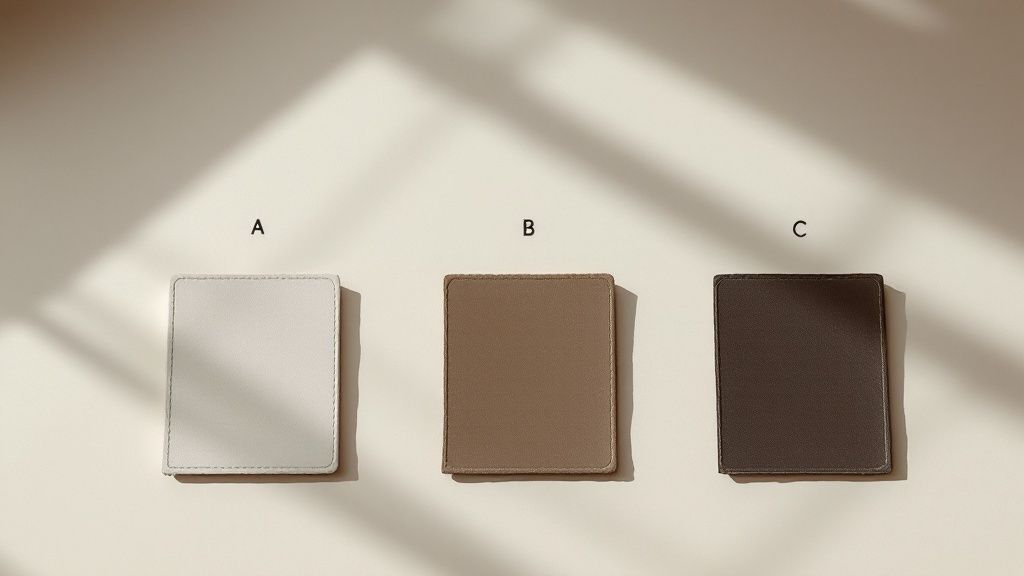
The magnetic pull of Tuscan leather reaches far beyond the small, sun-drenched workshops of Florence. Its incredible blend of resilience, beauty, and character has made it a go-to material for some of the world's most demanding industries, from high fashion to luxury cars.
This isn't by accident. The secret lies in the traditional vegetable tanning process, which gives the leather a structural integrity and a soul that synthetic materials just can't replicate. When a designer reaches for Tuscan leather, they’re choosing a material that tells a story—one of quality, heritage, and longevity.
From the Runway to the Road
Tuscan leather often makes its grand debut on the fashion runway. Iconic brands, many born right in Florence, rely on local tanneries for the materials behind their world-famous handbags, shoes, and belts. The leather's unique ability to soften and mold over time makes it perfect for pieces that become deeply personal with every wear.
This demand isn't just about style; it's a huge driver of the Italian economy. Leather goods from Tuscany are a big deal, both in Italy and globally. In fact, 38.4% of all leather produced in Italy goes into making high-end footwear, with furniture and automotive interiors following close behind. You can see the full breakdown of the Italian leather industry on Statista.com.
A Material for Enduring Luxury
Beyond clothes and accessories, Tuscan leather lends its warmth and sophistication to other high-end markets.
-
Luxury Handbags: Its structural firmness and knack for developing a beautiful, unique patina make it the undisputed champion for handbags built to last a lifetime. If you're looking for inspiration, our guide to the must-have leather bags for women in 2025 is a great place to start.
-
Sophisticated Furniture: High-end furniture makers love using it to upholster chairs and sofas. They value its toughness and the rich, inviting vibe it brings to a room.
-
Premium Automotive Interiors: Step inside one of the world's most prestigious cars, and you'll likely be greeted by Tuscan leather. It offers a tactile experience that screams luxury and impeccable craftsmanship.
In every application, from a simple wallet to the seats of a supercar, Tuscan leather elevates the final product. It’s not just a component; it’s a statement of quality and a commitment to enduring style.
This widespread use across so many industries cements Tuscany’s reputation as a global tastemaker. The region doesn’t just produce leather; it produces a legacy of excellence that is recognized, respected, and sought after all over the world.
Caring for Your Tuscan Leather Goods
Owning a piece of Tuscan leather is a lot like owning a fine wine. It only gets better with age, but that beautiful evolution depends entirely on the right care. Proper maintenance isn't about keeping your bag looking brand new—it’s about nurturing the rich, unique patina that develops over time.
Think of it as a living material. Just like your own skin, it needs to be cleaned and moisturized to stay supple and resilient. A little neglect can lead to dryness and cracking, but a simple, consistent routine will preserve its character for decades to come, ensuring your investment tells a story.
Simple Cleaning and Conditioning
First things first: always be gentle. For routine cleaning, a soft, dry cloth is usually all you need to wipe away dust and minor scuffs. This quick step is surprisingly effective at preventing dirt from settling deep into the grain of the leather tuscany products.
For a slightly deeper clean, you can dampen the cloth with water and a tiny drop of mild soap. Work in small, gentle circles, then immediately wipe away any moisture with a separate dry cloth. Whatever you do, never soak the leather—excess water can cause staining and irreversible damage.
Conditioning is arguably the most vital step in long-term leather care. A high-quality leather conditioner, applied every 6-12 months, replenishes the natural oils, keeping the material soft, flexible, and resistant to drying out.
Proper Storage and Handling
How you store your leather goods is just as important as how you clean them. When you're not using your bag or wallet, keep it in a cool, dry place away from direct sunlight. The sun is a major culprit for fading color and drying out the leather.
Always use a breathable dust bag, never a plastic one. Plastic traps moisture, which is a perfect recipe for mildew. For bags, stuffing them with acid-free paper helps maintain their shape and prevents unsightly creasing. And for those just starting their collection, our guide on how to choose your first luxury leather bag has some great tips that extend to long-term care.
Here are a few more quick tips for common issues:
-
Minor Scratches: You can often buff out light scratches with just your fingertips. The natural oils from your skin are fantastic at helping blend the mark back into the patina.
-
Water Spots: If you get caught in the rain, don't panic. Blot the spots immediately with a dry cloth and let the item air dry evenly. Never use a hairdryer, as direct heat can cause the leather to shrink or warp.
Frequently Asked Questions About Tuscan Leather
As you get closer to choosing the perfect bag, a few questions always pop up. It's completely normal. Let's walk through some of the most common ones to give you total confidence in what makes Tuscan leather so special.
Is All Italian Leather from Tuscany?
Nope, and this is a really important distinction. While Tuscany is the heartland of traditional vegetable-tanned leather, other regions in Italy like Veneto are also big players.
What makes the "Tuscan" label so sought-after is the commitment to that specific, time-honored, and eco-friendly vegetable tanning process. It’s what gives the leather its unique smell, feel, and incredible durability.
What Makes Tuscan Leather So Expensive?
It all comes down to the time, skill, and quality of the raw materials. Think of it like this: mass-produced leather is tanned with chemicals in just a few days. Genuine Tuscan leather, on the other hand, takes several weeks to develop using natural tannins.
This slow, hands-on process requires true artisans who have honed their craft for years. You’re not just buying a material; you’re investing in a piece of cultural heritage that’s built to be passed down. For a deeper dive, check out our article on 7 reasons why you should invest in Tuscany leather goods.
Will My Tuscan Leather Bag Scratch Easily?
Because it’s a natural, authentic material, you can expect some minor scuffs with daily use—but that’s actually part of its charm. Many light scratches can be buffed out with nothing more than the warmth of your finger, as the oils from your skin help the mark blend right into the patina.
Instead of seeing these marks as flaws, think of them as your bag's unique story. Every scratch and crease adds to a rich, personal character that no other bag will ever have.
Ultimately, these little imperfections are the tell-tale signs of genuine, high-quality leather aging gracefully. They give your piece soul.
At Databazaar.com, we are proud to offer a curated collection of authentic Tuscany Leather bags that embody this tradition of excellence. Shop our collection today and invest in a piece of timeless Italian artistry.